About O1B Games
About the Developer
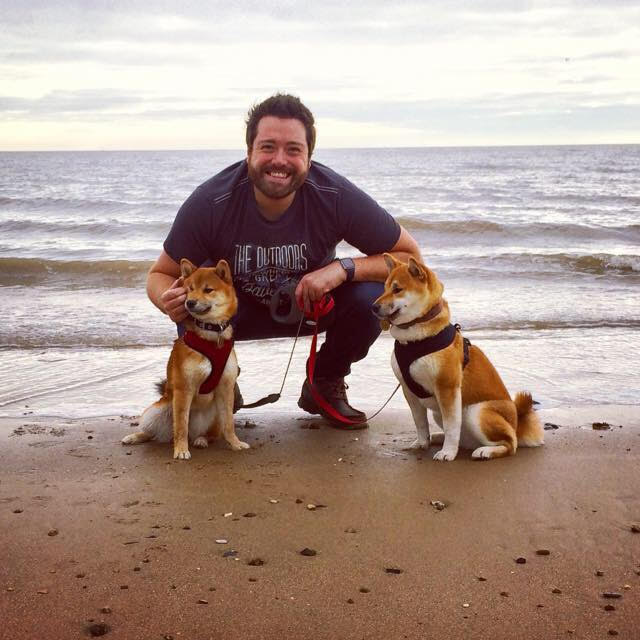
I’m Ben — a solo developer in my 40s, and Kingdom of Hope is the game I’ve always wanted to make.
Like a lot of people who grew up with a controller in their hands, I spent years dreaming about building my own worlds. Life had other plans for a while, but the idea never really went away. Eventually I decided to stop waiting for the “right moment” and just start — so I founded O1B Games and threw myself into it properly.
Kingdom of Hope isn’t a side project or a prototype I’m tinkering with on evenings. It’s the dream game: a cosy, story-rich medieval world where you farm, craft, explore, fight, trade, and rebuild a community that’s been through hard times. I’m building it alone — art direction, systems, writing, the lot — and every update you see on Steam or here on the site is the result of that daily grind.
If you’re a player, a journalist, or just someone curious about how a one-person studio actually works, I hope the notes below give you an honest picture of who’s behind the game and why it exists.
A Few Questions, Honestly Answered
A quick Q&A — the kind of thing I’d happily talk about over a pint (alcohol free).
What finally made you start making games for real?
Having played around with Unity for over 10 years and following a lot of online tutorials, I decided it was time to get serious and just build the games I want to build. This is what I’ve always wanted to do and now is the time.
What does a typical week look like when you’re building Kingdom of Hope, and surely being a solo developer makes it challenging to keep up with deadlines?
I usually start my day with a rough plan in my head: what needs fixing from the previous day, what new features I’d like to implement, and what I want to test next. From there, I jump into playtesting every update.
For me, playtesting and debugging aren’t just about checking whether a feature works. It’s about understanding how it feels. How does the character respond? How does the environment react? Are the timings right? Does everything feel natural and intuitive? I’m often very particular about these details and can spend a lot of time refining even the smallest aspects until they feel right.
Many of my best ideas actually emerge during playtesting. I like being able to think of an idea and bring it to life straight away. Following overly rigid structures and plans can sometimes limit that kind of spontaneous creativity, whereas an iterative, hands-on approach often leads to features and details I would never have thought of otherwise.
I only keep rough notes and sketches. I’ve never been a fan of rigid structures, detailed task boards, timelines, or extensive project management systems. In fact, one of the biggest issues I think many game studios never properly address is how much development time gets consumed by meetings, updating task sheets, planning sprints, and attending stand-ups. For me, development works best when creativity and momentum aren’t constantly interrupted by administrative processes. The less time spent managing the work, the more time there is to actually create something incredible.
Because of that, I believe a solo developer can often achieve far more than people expect. When you remove the overhead of meetings, approvals, reporting structures, and layers of communication, an enormous amount of time is freed up for actual development. Every hour can be spent building, testing, iterating, and improving the game. I firmly believe that a focused solo developer can introduce features and make progress at a pace comparable to a small studio. The difference isn’t necessarily the number of people involved—it’s how much of their time is spent creating versus coordinating.
Where did the idea for Kingdom of Hope come from — and why a medieval farming RPG?
When I first played Stardew Valley I was blown away. On the surface it just seems like a 2D top-down farming game, but the depth of the storytelling, the narrative, the character building, the relationships — it really took me by surprise. The magic Stardew Valley had was making you think “I wonder if I can…” and then you actually could.
Then I spent most of 2025 playing Kingdom Come: Deliverance 2, and I kept having this idea of creating a farming/crafting game with a hero turned farmer character who wants to settle down — grounded, medieval, a little rough around the edges. Suddenly the ideas just flowed. I bought a notebook from my local newsagent and a pack of pens, and I just started scribbling away — attaching pictures, images, drawings and notes. That notebook is basically where Kingdom of Hope began. I spent a lot of time speaking with my eldest son as well, who was a great inspiration behind many of the ideas/features in the game.
What are you most proud of so far?
I get a real kick — a real buzz — out of implementing features that I thought might take a week or more, within a few days. There’s quite a lot I could mention, but just recently I was really proud of the bow animation I created myself. Every frame works well and it’s very subtle — it only lasts a few seconds — but I really wanted the player to feel that stretch of the bowstring when they hold their shot in place before they let loose.
Kingdom of Hope is listed as “Coming Soon” — what’s the plan from here (Summer 2026)?
We’re close to a decision on either entering Steam Next Fest or going straight into Early Access. It all depends on the momentum of the game. We’ve grown over 300 wishlists in the last 7 days — if that continues to rise, it may go straight into Early Access. If we need a bit more coverage first, I may consider releasing a demo of just the Spring season, with a few limited areas to explore.
Presskit, press or partnership enquiries? Head to the Contact page — I’d love to hear from you.